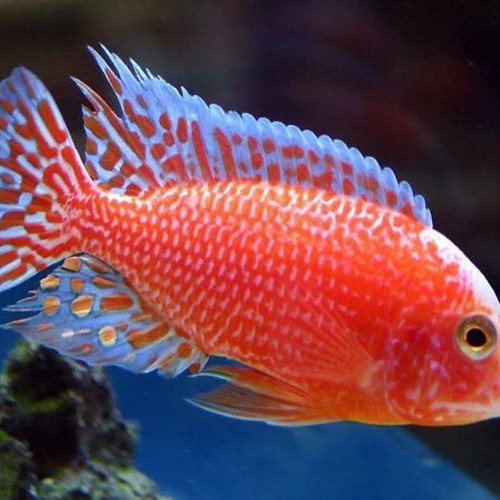
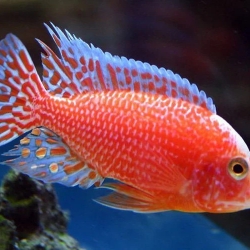
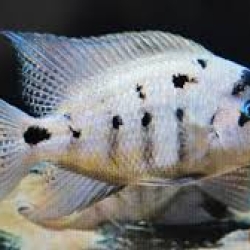
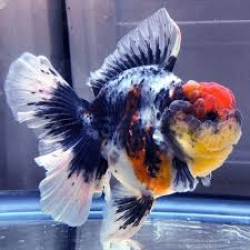
The Pink Peacock Cichlid, often known as the Strawberry Peacock or OB Peacock Cichlid, is a colorful, man-made hybrid of the Aulonocara genus and an OB Mbuna cichlid, not a naturally occurring species. These semi-aggressive fish are popular in the aquarium hobby for their striking pink coloration and active behavior.
Habitat and Tank Requirements
Minimum Tank Size: A minimum of 55 gallons is recommended for a small group, but a 75-100 gallon tank is ideal for a community to allow plenty of swimming space and help reduce aggression.
Water Parameters: They require hard, alkaline water conditions that mimic their natural habitat in Lake Malawi.
Temperature: 76–82°F (24–28°C).
pH Range: 7.5 to 8.6.
Hardness: Moderate to hard water (4–6 dGH or 10–15 dKH).
Tank Setup: Use a fine, sandy substrate, as they are bottom-dwellers that sift through the sand for food and can damage their gills on coarse gravel. Provide plenty of rocks, caves, and hiding spots to establish territories and minimize conflict. Hardy plants like Anubias and Java Fern can be used, as they tolerate the water conditions and the fish's digging habits.
Diet and Feeding
Pink Peacock Cichlids are omnivores and require a varied diet to maintain their health and vibrant colors.
Staple Foods: High-quality cichlid pellets or flakes, especially those with color-enhancing properties and rich in Spirulina, should form the core of their diet.
Supplements: Supplement their diet with protein-rich live or frozen foods such as brine shrimp and daphnia.
Foods to Avoid: Do not feed them bloodworms or mammal meat (like beef heart) as their digestive systems struggle with fatty foods and it can lead to fatal conditions like Malawi bloat.
Frequency: Feed small portions two to three times a day, only as much as they can consume within a couple of minutes, to prevent overfeeding and maintain water quality.